Insights
Why Stablecoins Are Reshaping the Incentive Economy

By Jay Park, Business Advisor at SOOHO.IO.
The growing role of stablecoins
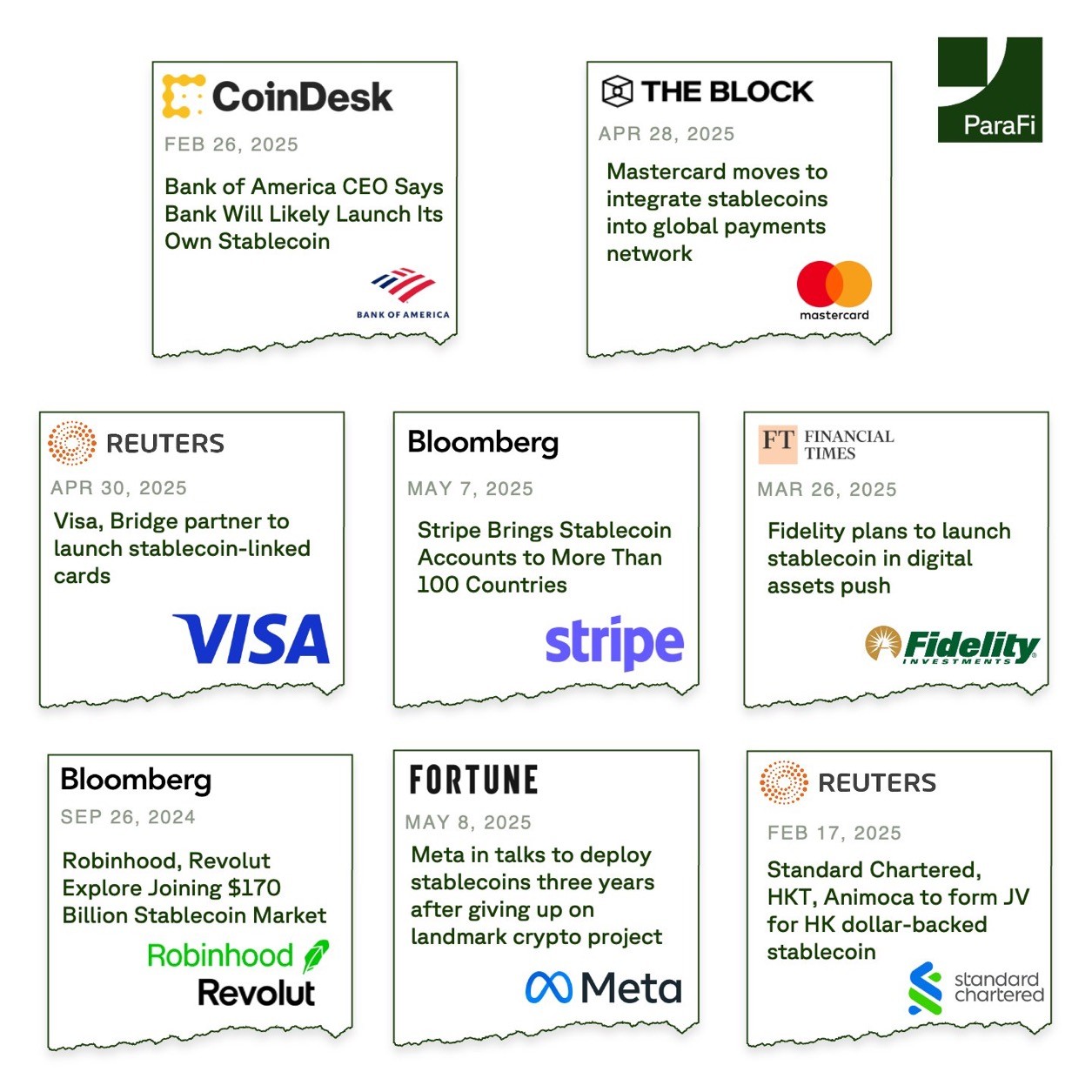
Stablecoins have moved beyond specialist crypto discussions and into mainstream business strategy. As U.S. lawmakers debate a regulatory framework, major retailers and technology platforms are exploring potential applications. The question for many global businesses is now how stablecoins might fit into their payments and customer relationships.
(Source: Parafi)
The economic case for stablecoins
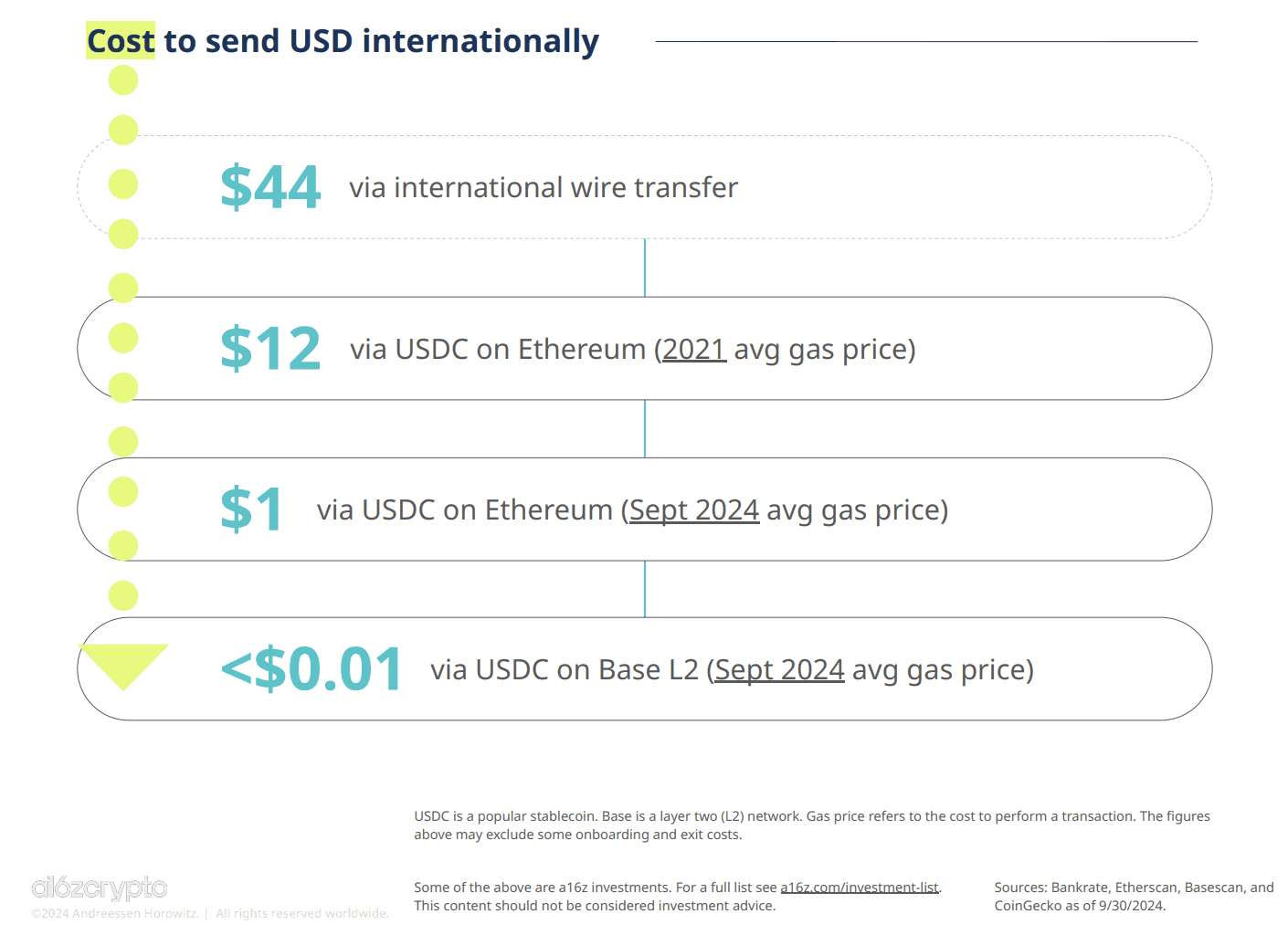
One of the strongest arguments for stablecoins is the potential to reduce the cost of moving value. Cross-border transfers and business payments can still involve substantial fees and several days of processing.
The comparison shown here illustrates the difference: a conventional international transfer costing around USD 44 is set against a stablecoin transfer on Base costing less than USD 0.01. Network transfer costs are only one part of a complete payment flow, but the gap highlights the potential for a different cost structure.
(Source: Blockworks | a16zcrypto)
Putting loyalty points to work: a new incentive economy
My particular interest is in how stablecoins could change incentives. Many loyalty points and miles are confined to the platform that issued them, with limited ways to redeem or exchange them. Services such as MiL.k seek to connect these programs, but important constraints remain.
What if businesses could issue stable-value rewards directly, or make existing points easier to exchange? That could create more useful incentives for customers and new ways for businesses to manage loyalty.
1. Rewards with clearer value
Today: Points may have restricted uses and a value that changes over time.
Potential model: Customers receive stablecoin cashback with a clearly defined value, making the reward easier to understand and use.
Illustrative example: A Chase Sapphire-style card program could issue a dollar-denominated reward token instead of points.
2. Payments linked to direct rewards
Today: Specific payment methods offer promotional discounts.
Potential model: A platform introduces a stablecoin wallet and offers cashback for payments made through it, encouraging repeat use within its ecosystem.
3. More flexible gift balances
Today: Gift cards can leave small balances unused or forgotten.
Potential model: A stablecoin-based gift balance can be spent more flexibly, with eligible unused amounts exchanged or refunded for use elsewhere.
4. More efficient business payments
Today: Payments to suppliers and advertising partners can be slow and costly.
Potential model: Faster, lower-cost stablecoin settlement frees resources that businesses can reinvest in customer acquisition and rewards.
5. Rewards delivered when a task is completed
Today: Points earned through surveys or app tasks can be difficult to redeem.
Potential model: Rewards are deposited directly into a user’s wallet once a task is completed, making participation more immediately valuable.
Example: Reward apps like EarnOS that integrate stablecoin wallets
6. Faster refunds
Today: Online refunds can take several days to reach the customer.
Potential model: A stablecoin payment is refunded as soon as the return is confirmed, improving the customer experience.
Example: E-commerce instant refund service 'Refundid'
Beyond payments: changing how value is exchanged
Stablecoins could affect the full relationship between a business and its customers—from payment and rewards to refunds. Their value lies not only in transfer speed, but also in the opportunity to redesign how incentives are delivered and used.
That is why major retailers are paying attention. Businesses that understand these capabilities early may gain an advantage in operating efficiency and customer experience. The practical work of turning that potential into services is only beginning.
SOOHO.IO Official Channels
Website: https://www.sooho.io/
LinkedIn: https://www.linkedin.com/company/sooho/