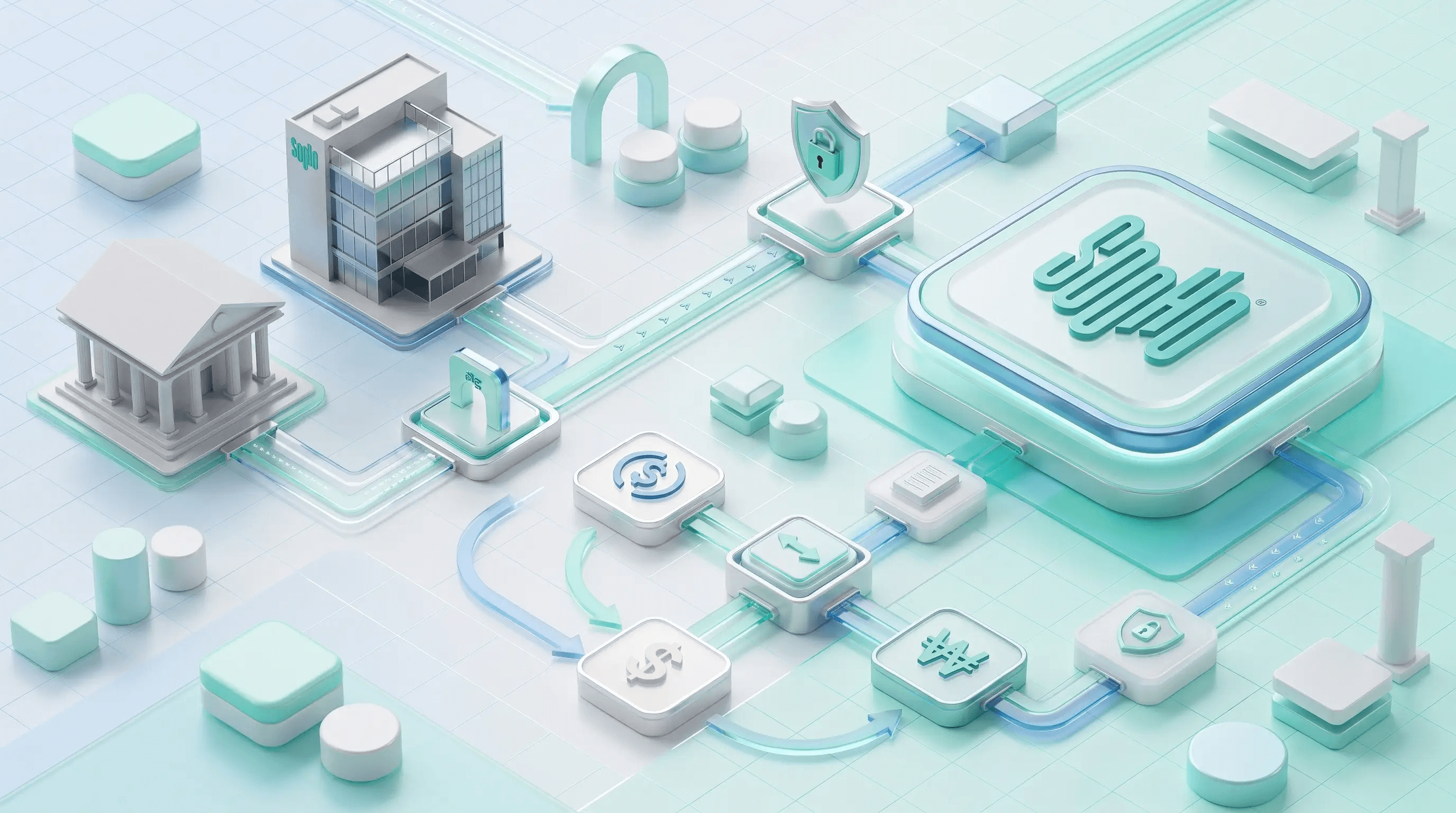
About SOOHO.IO
SOOHO.IO: Our Journey and What Comes Next

“What gave me the confidence to start a company five years ago?” SOOHO.IO CEO Jisu Park reflects with characteristic humility. Despite five years of steady growth in blockchain, he imagines looking back five years from now and asking why he did not achieve more. His confidence in the future remains clear, but so does the depth of thought behind the continuing search for why the company exists.
SOOHO.IO’s ambitions have continued to expand. It first gained recognition in security with Odin, Korea’s first automated smart contract vulnerability analysis service. The company went on to audit contracts for enterprises including LG CNS and SK C&C and collaborate with the Financial Security Institute and the Telecommunications Technology Association (TTA).
That security expertise prompted a further question: what if SOOHO.IO built the infrastructure and delivered financial services itself? The company expanded into decentralized finance (DeFi), developing services around business needs, and then into bridges that enable assets and information to move between different blockchains.
Its goal is a blockchain financial ecosystem that everyone can experience. Park describes the journey as a combination of chance and inevitability. An early developer at Dunamu, the fintech company behind Upbit, he is now shaping SOOHO.IO’s identity as its founder and CEO. We spoke with him about the company’s origins, its culture, and the future he hopes to build.
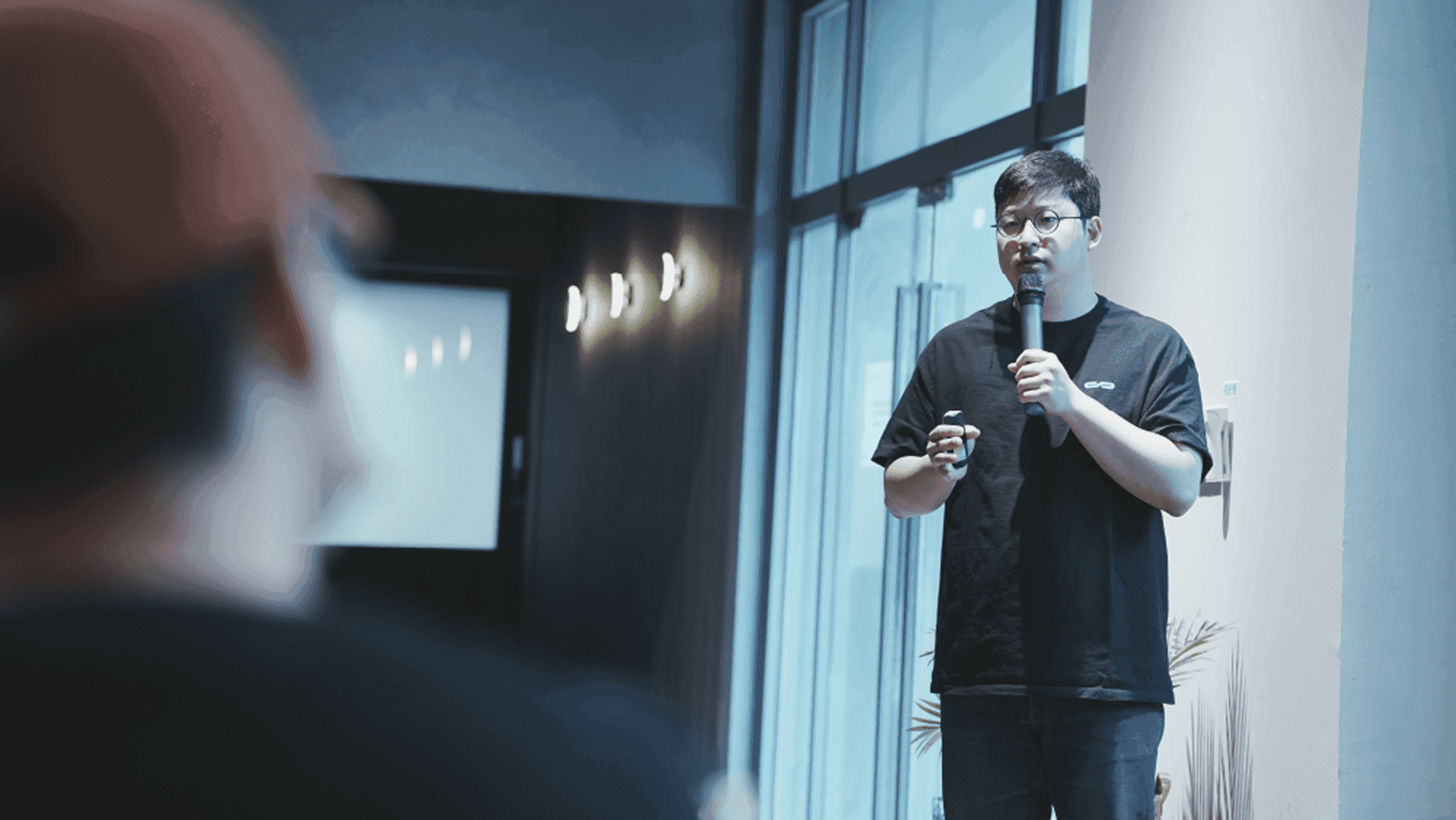
Q. SOOHO.IO wants to build a blockchain financial ecosystem that everyone can experience. How did the company begin?
In some ways, SOOHO.IO happened by chance; in others, it felt inevitable. Before founding it, I joined Dunamu—now best known for Upbit—as an early developer. That experience drew me deeply into financial services.
It also made me realize how important security was. My background was in computer science, so I felt I needed to study the subject properly. I entered an integrated master’s and doctoral program in software security at Korea University and began researching it.
I had already attended blockchain seminars and experimented with cryptocurrency mining. As I studied security, I thought: blockchain is a field I understand and believe in, and its security is still relatively underexplored. Those experiences came together to make blockchain security my research focus.
Q. So your experience at Dunamu opened up a much broader field?
Many people around me were starting blockchain businesses, and I began helping them with the results of my research. That was the beginning of SOOHO.IO as a blockchain security company. I realized that turning individual assistance into a business would let me help more people.
Recognition at international hackathons also played an important role. Our team won awards at events organized by Binance and Upbit, then secured investment from global blockchain companies such as Consensys. That was when we started to take shape as a company.
Q. What first drew you to blockchain seminars and the wider field?
I was interested in reward systems before gamification became a widely used term. In a game-related course at Sogang University, I built games and encountered the academic study of game mechanics. That led naturally to an interest in gamification and Bitcoin.
I also participated in seminars on Bitcoin, blockchain, and DeFi through YEHS, a student engineering organization associated with the National Academy of Engineering of Korea. Separately, I managed around 200 computers through a university club and enjoyed experimenting with mining.
Q. How would you describe SOOHO.IO’s position in the blockchain industry today?
Even after our research became a business, security problems kept appearing: hacks, scams, rug pulls, and later insolvency and accounting issues. We explored different ways to apply our security technology as those needs grew.
Eventually, we asked whether building financial services ourselves would be a meaningful way to demonstrate that expertise. That took us from a security specialist into DeFi infrastructure. Repeated attacks on bridges then encouraged us to extend further into infrastructure connecting different chains.
Our path has therefore run from security, to DeFi built on that security foundation, and then to bridges. We want to build successful DeFi services on our bridge infrastructure and, ultimately, expand the ecosystem around them.
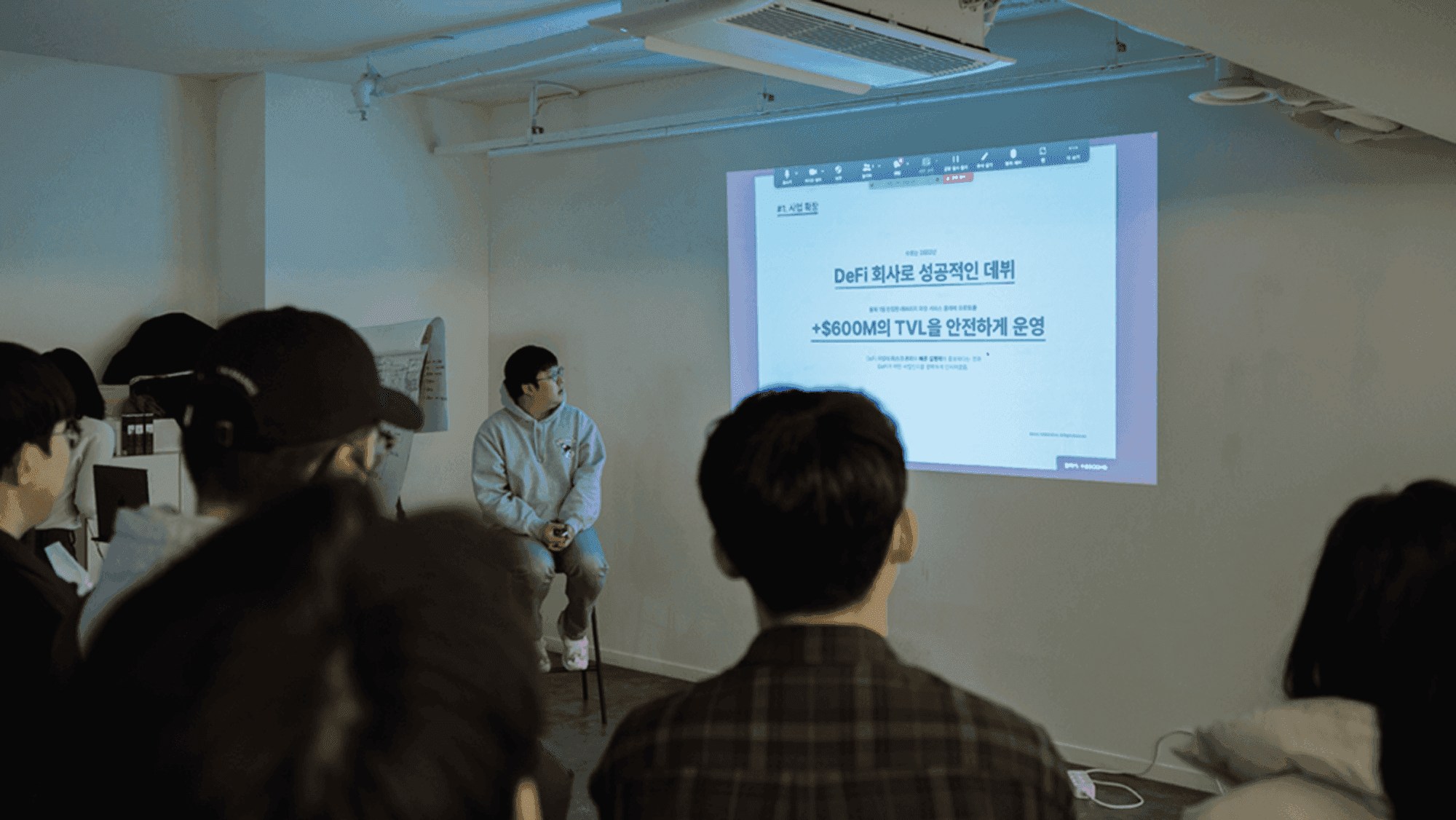
Q. Candidates often want to understand where a company is headed. What future do you see for SOOHO.IO?
I imagine a world in which many of the services we already use become financial platforms in their own right.
Think about the scale of Starbucks’s payment and rewards system, or the trust consumers place in platforms such as Coupang and Baemin. Familiar consumer brands can hold a level of trust comparable to financial institutions. Blockchain and cryptocurrency offer useful tools for building the systems behind that shift. Our broader ambition is to create the software and infrastructure they need.
We will build that future together with our current team and the people who join us. This industry changes rapidly, sometimes several times in a month. Rather than fearing change, we need to respond well to it. The destination is clear, even as the route continues to evolve.
Q. In a difficult economic environment, what kind of organization do you want SOOHO.IO to be?
An organization is a living thing, so it is difficult to define it only through fixed numerical targets. Fundamentally, I want us to be a high-performance team.
That starts with finding people who want to become high performers and building a shared understanding of what we are trying to achieve. Performance means producing meaningful results with the resources available. I want people who take initiative and contribute as one team. When they choose SOOHO.IO to pursue new experiences and goals, I want that choice to be worthwhile.
Q. How do you assess whether a candidate is a good fit?
I look closely at the effort that has brought them to where they are. I keep asking questions to understand how seriously they have engaged with their work. An interview can be challenging, but the care they take in responding reveals their preparation and commitment.
Q. Team members often describe SOOHO.IO in terms of autonomy and initiative. Why do you give teams so much freedom?
Much of the value we are creating is still unfamiliar to the broader market. We are acting as pioneers. That means making decisions, contributing, and accepting the responsibility and rewards that follow.
Contribution and the distribution of value are especially important in blockchain. People who enjoy working this way tend to have confidence in their abilities. They do not necessarily need a role model to follow; they need feedback and peers they can learn from.
That is why I want them to have meaningful decision-making authority. There will be difficulties, but I want us to learn from each experience instead of labeling it simply a success or failure. Creating that psychological safety is a priority.

Q. Why is it important to move beyond a simple distinction between success and failure?
Imagine someone is responsible for decisions from A to Z but realizes they need to develop further and chooses to take responsibility only through F for now. I do not want them to conclude, “I am someone who cannot get to Z.” I want them to feel, “I will do A through F well this time, then work toward Z next time.” That sense of safety makes growth possible.
Q. Why does a shared SOOHO.IO mindset matter? Is strong individual performance not enough?
When people have fundamentally different priorities, working together becomes less predictable. No organization has an easy path all the time. Shared priorities help us build both the work and the relationships needed to navigate difficult periods.
Trust is the foundation. If people cannot understand one another and begin questioning each other’s approach, progress becomes difficult. Shared principles give us a reasonable basis for knowing what to expect from one another.
For me, the heart of SOOHO.IO’s mindset is the persistence to ask, “What am I really trying to accomplish?” Pursuing that why requires action. The ability to investigate fundamental questions and keep working toward an answer is what ultimately produces strong performance.